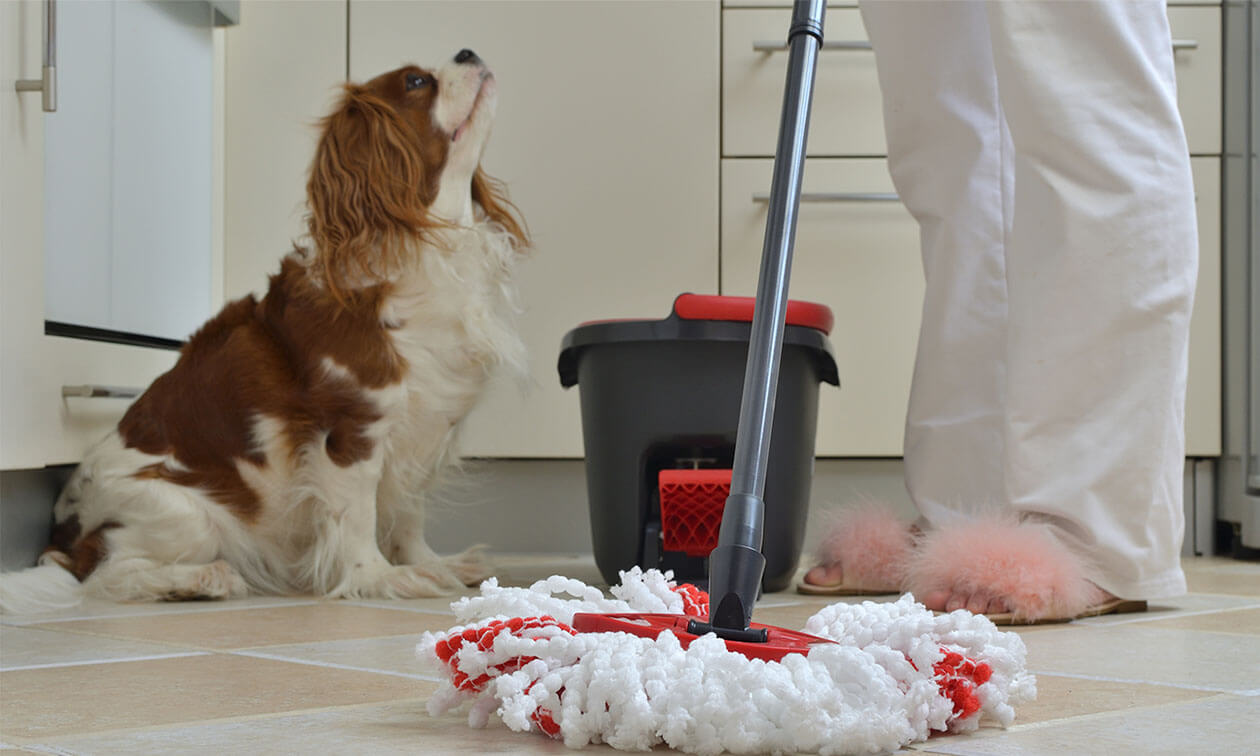
Maintaining a clean home is essential for health and comfort, but traditional cleaning products often contain harsh chemicals that can be harmful to your family, pets, and the environment. Eco-friendly cleaning is an effective alternative that uses natural, non-toxic ingredients to keep your home sparkling while ensuring safety. In this article, we’ll explore the benefits of eco-friendly cleaning and provide practical solutions for a healthier living space.
1. Why Eco-Friendly Cleaning Matters
Conventional cleaning products can contain chemicals such as ammonia, chlorine, and phthalates. While effective at removing dirt, these substances can irritate skin, trigger allergies, and even impact respiratory health. Pets, especially cats and dogs, are particularly vulnerable because they often come into contact with surfaces and may ingest residue.
Eco-friendly cleaning products use natural ingredients like vinegar, baking soda, lemon, and essential oils. These alternatives are not only safer but also biodegradable, reducing environmental impact.
2. Health Benefits for Your Family and Pets
Using eco-friendly products helps:
- Reduce Allergies: Many conventional cleaners release volatile organic compounds (VOCs) that can worsen asthma and allergies.
- Prevent Skin Irritation: Natural ingredients are gentler on sensitive skin.
- Protect Pets: Pets are at risk of chemical exposure through licking floors or grooming themselves after contact with surfaces.
Switching to eco-friendly solutions keeps everyone in your home safe and healthy.
3. Natural Cleaning Solutions You Can Use
Here are some effective eco-friendly cleaning alternatives:
- Vinegar: Excellent for glass, mirrors, and removing odors. Mix with water for a simple all-purpose cleaner.
- Baking Soda: Great for scrubbing sinks, tubs, and stovetops, and neutralizes odors.
- Lemon Juice: Naturally disinfects and leaves surfaces smelling fresh.
- Castile Soap: A versatile plant-based soap for dishes, floors, and countertops.
- Essential Oils: Add antibacterial and pleasant aromatic properties; tea tree, lavender, and eucalyptus are popular choices.
These ingredients can often be found in your kitchen or local grocery store, making eco-friendly cleaning simple and accessible.
4. Tips for a Green Cleaning Routine
- Read Labels: Always check ingredients to ensure the product is non-toxic and biodegradable.
- DIY Cleaners: Making your own cleaning solutions saves money and reduces chemical exposure.
- Proper Ventilation: Even natural cleaners work best in a well-ventilated area.
- Eco-Friendly Tools: Use reusable microfiber cloths instead of disposable wipes, and choose biodegradable sponges.
- Reduce Waste: Buy concentrated products and refill bottles to minimize plastic waste.
5. Eco-Friendly Cleaning in Different Areas of the Home
- Kitchen: Use vinegar or lemon juice to disinfect counters, sinks, and cutting boards. Baking soda works well for ovens and stovetops.
- Bathroom: Vinegar and baking soda remove soap scum and mildew safely. Essential oils can prevent mold growth.
- Floors: Mix a mild castile soap solution for hardwood, tile, or laminate floors. Avoid harsh chemicals that can damage surfaces.
- Pet Areas: Clean litter boxes, cages, and bedding with gentle, non-toxic cleaners to protect pets’ health.
6. Environmental Benefits
Switching to eco-friendly cleaning doesn’t just protect your household—it also benefits the planet. Biodegradable ingredients break down naturally, reducing pollution in waterways and soil. Less packaging waste and chemical runoff contribute to a cleaner environment, making sustainable choices part of your daily routine.
7. Final Thoughts
Eco-friendly cleaning is a practical, safe, and responsible way to maintain a sparkling home. By choosing natural, non-toxic solutions, you protect your family, pets, and the environment while still achieving effective results. Incorporate these tips and products into your cleaning routine, and you’ll enjoy a healthier, fresher, and safer home for everyone.